This adventure took place in 2012, together with my friend Juan Antonio (JA), with Motoquest, and about 6 other riders from different countries around the world.
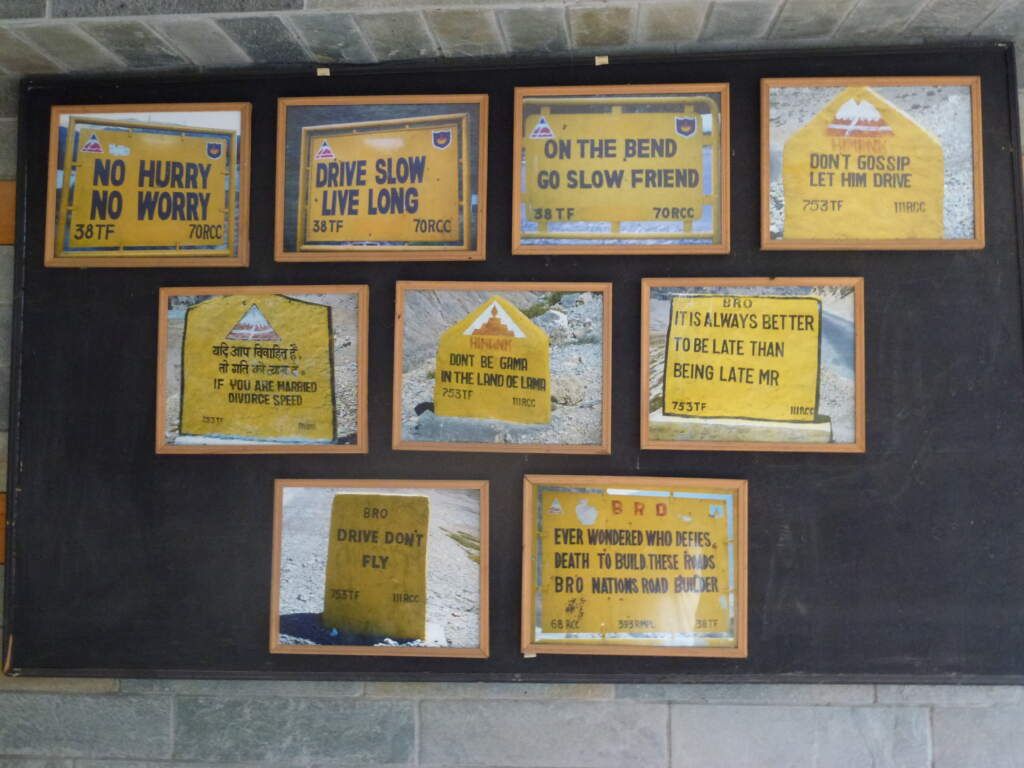
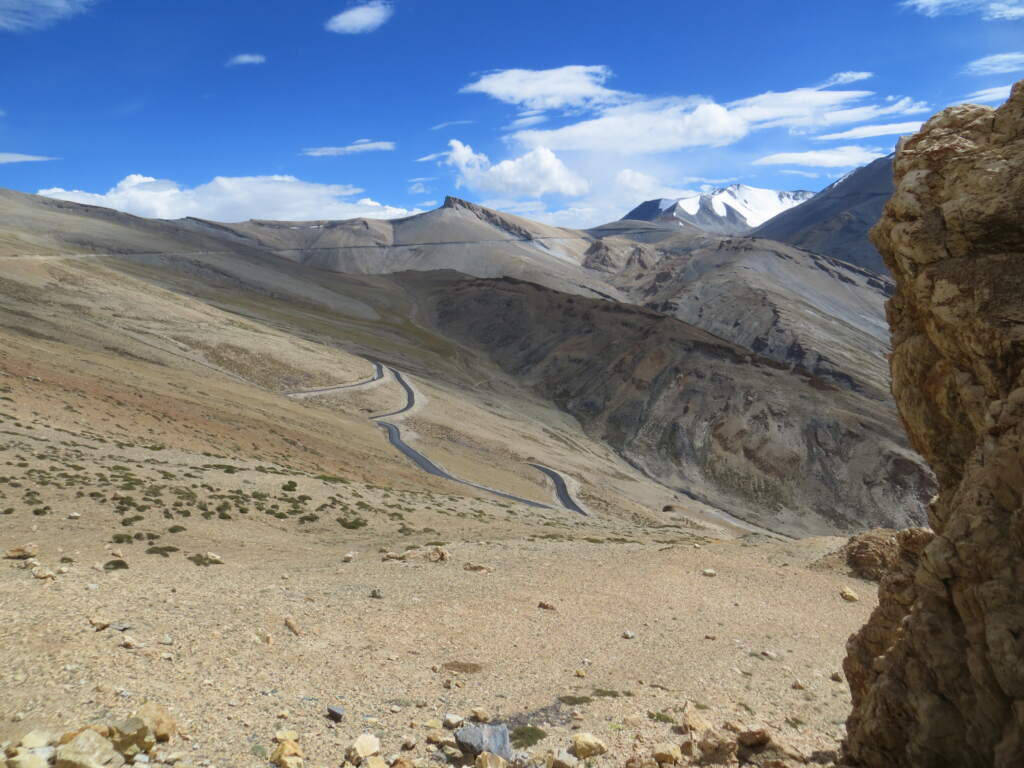
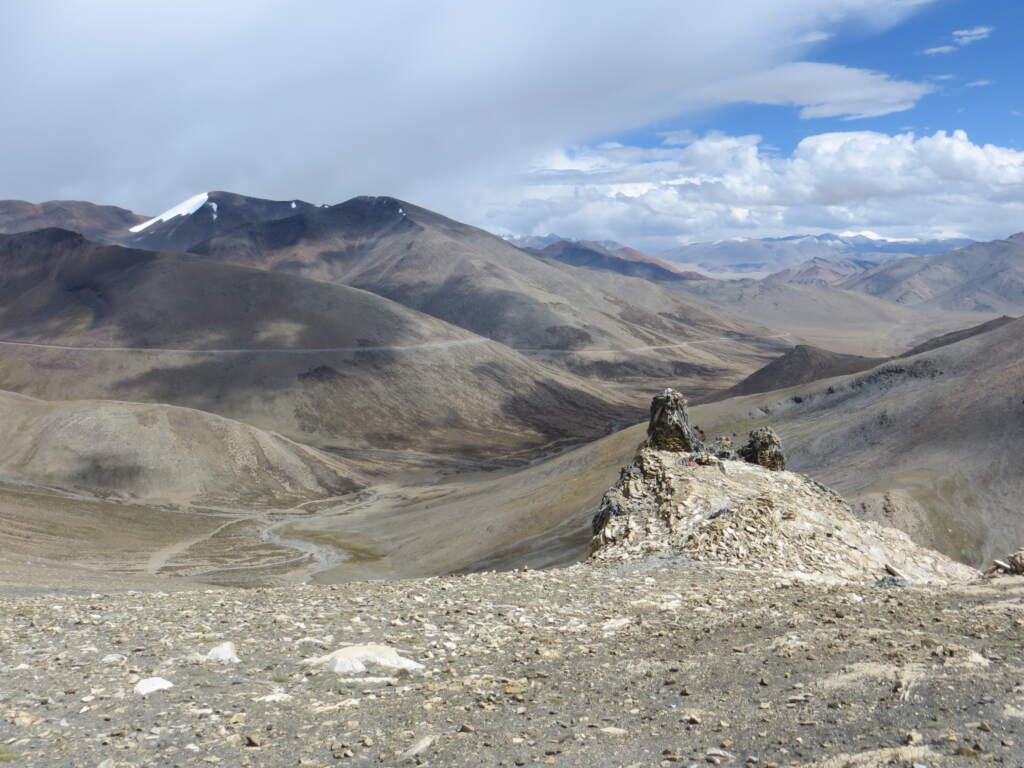
The motorcycle trip Manali to Leh road is one of the most dangerous in the world. It connects the Indian states of Himachal Pradesh and the region of Ladakh. It spans around 480 km — though we covered about 828 km in total — at an average altitude of over 4,000 metres, crossing passes as high as 5,602 m (18,380 feet). A challenging and demanding road, widely considered one of the 10 most dangerous in the world.
It was obvious — we had to go!
The trip itself was complicated from the start — we first had to fly to New Delhi, and from there catch a small propeller plane to Manali. We slept at Delhi airport, since the flight only departed if the weather in Manali allowed it: one flight a day, very few seats. We made it, but others weren’t so lucky and had to travel by Toyota Land Cruiser for over 20 hours to reach Manali.
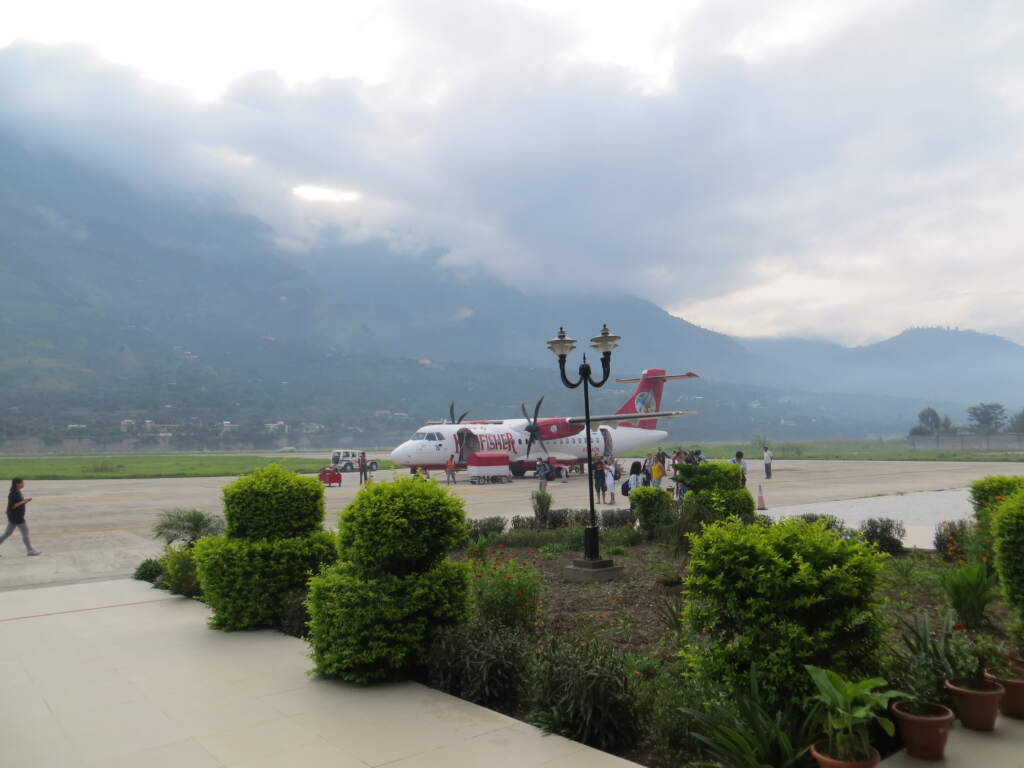
We ended up flying out and arrived two days early to acclimatise to the altitude. Manali sits at 2,050 m. We waited there until our guide Bhikam arrived along with the rest of the group — and then it was time to pick up the Royal Enfields we’d be riding throughout the trip.
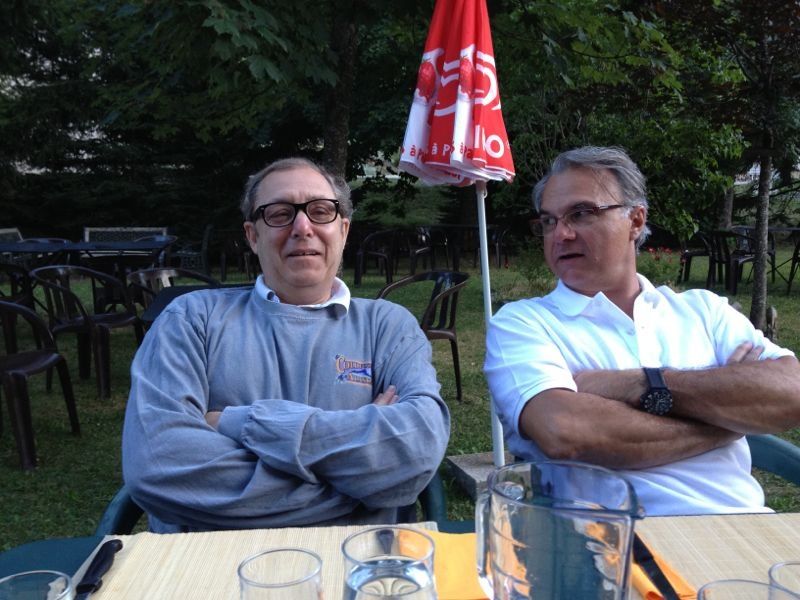
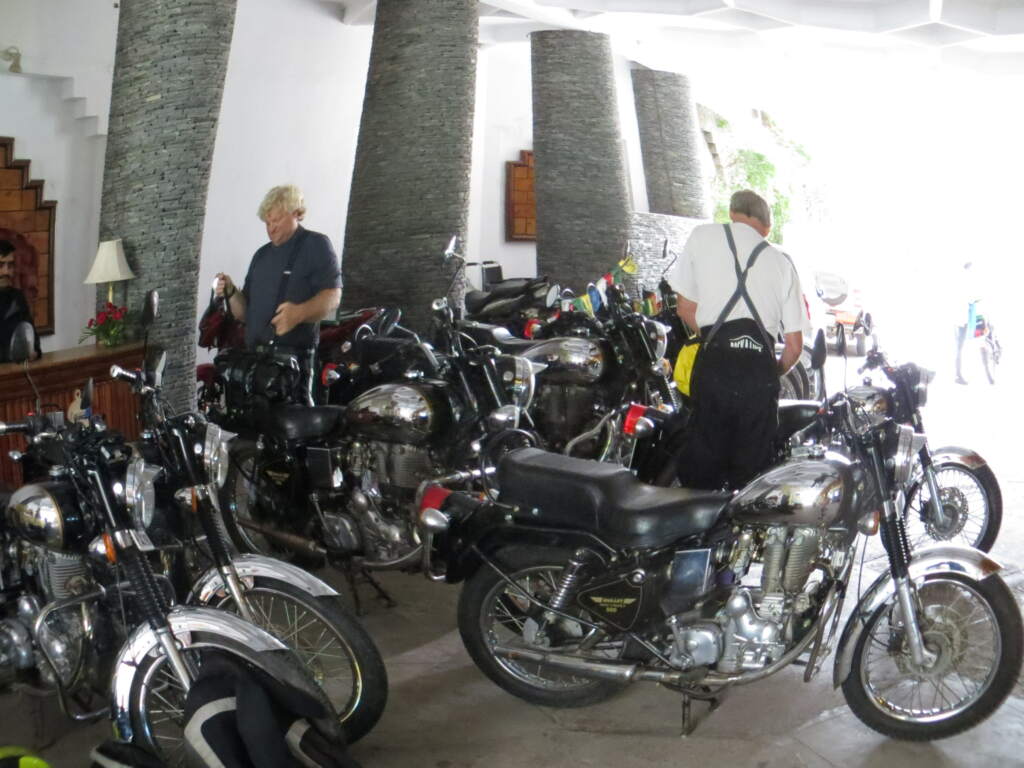
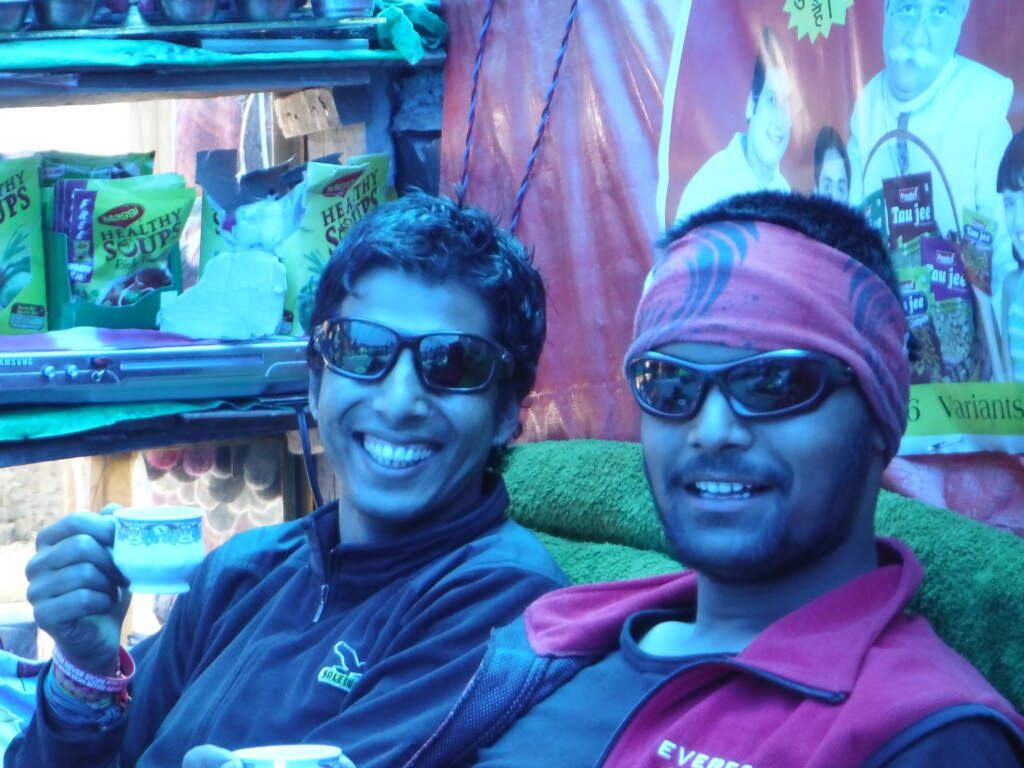
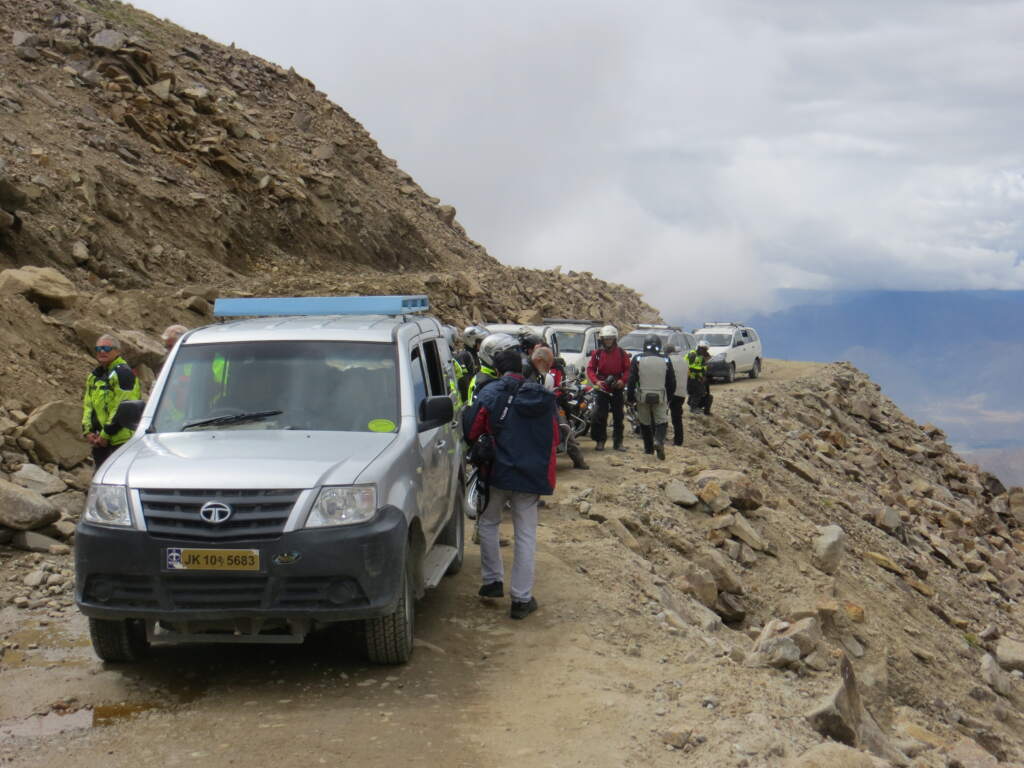
The group included three Australians who were experienced dirt riders, an American woman (the one who introduced me to the Klim brand), two more Americans — one of whom was responsible for the sonar on a submarine — and the two of us from Spain. Then there was our local guide Bhikam, who did this route around six times every summer, a Motoquest guide named Kevin, also American, and finally two locals: the truck driver and the mechanic-cum-cook, an absolutely essential role when you’re riding Royal Enfields.
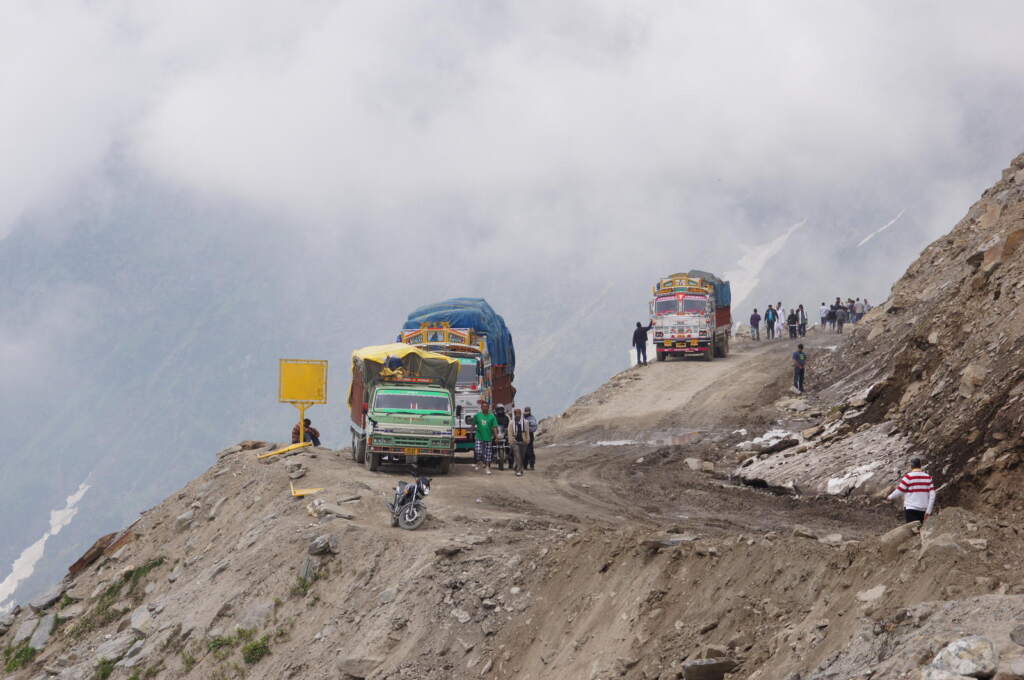
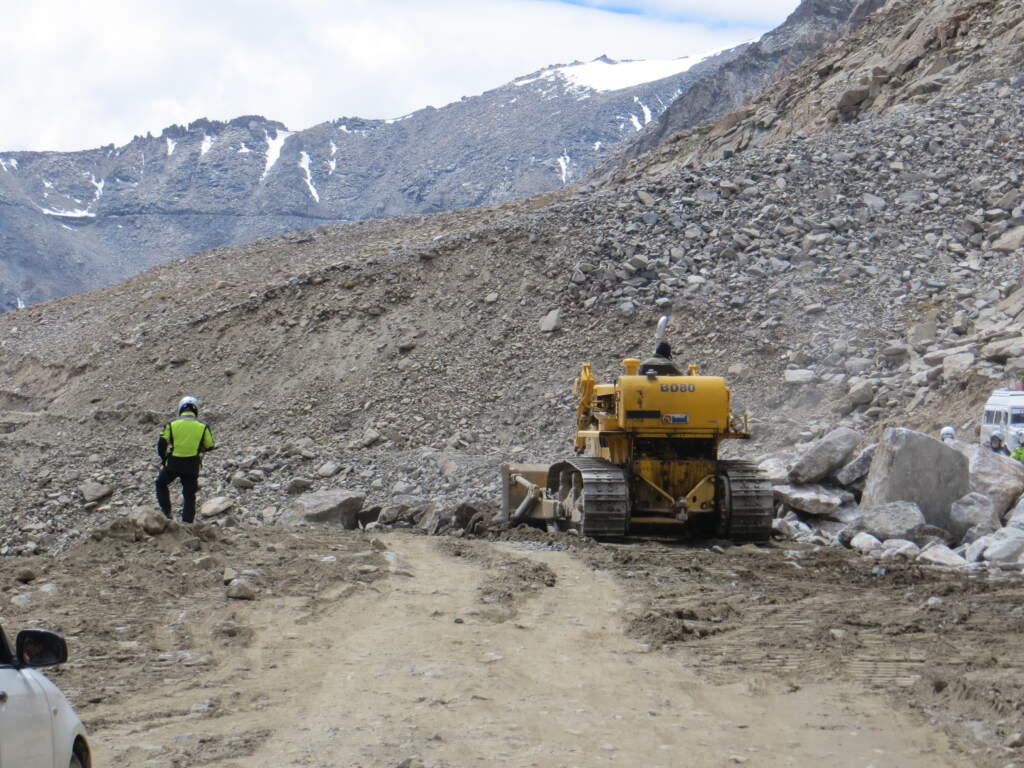
The trip started… badly. At the very first pass out of Manali — Rohtang at 3,980 m — it had poured the night before and the truck ruts were halfway up our legs in mud. A real test right from the start. I came off the bike. The saving grace was that we were in first or second gear, doing 20 km/h at most, but once I got stuck in a rut there was no way out — and it was heading straight for the edge of the road.
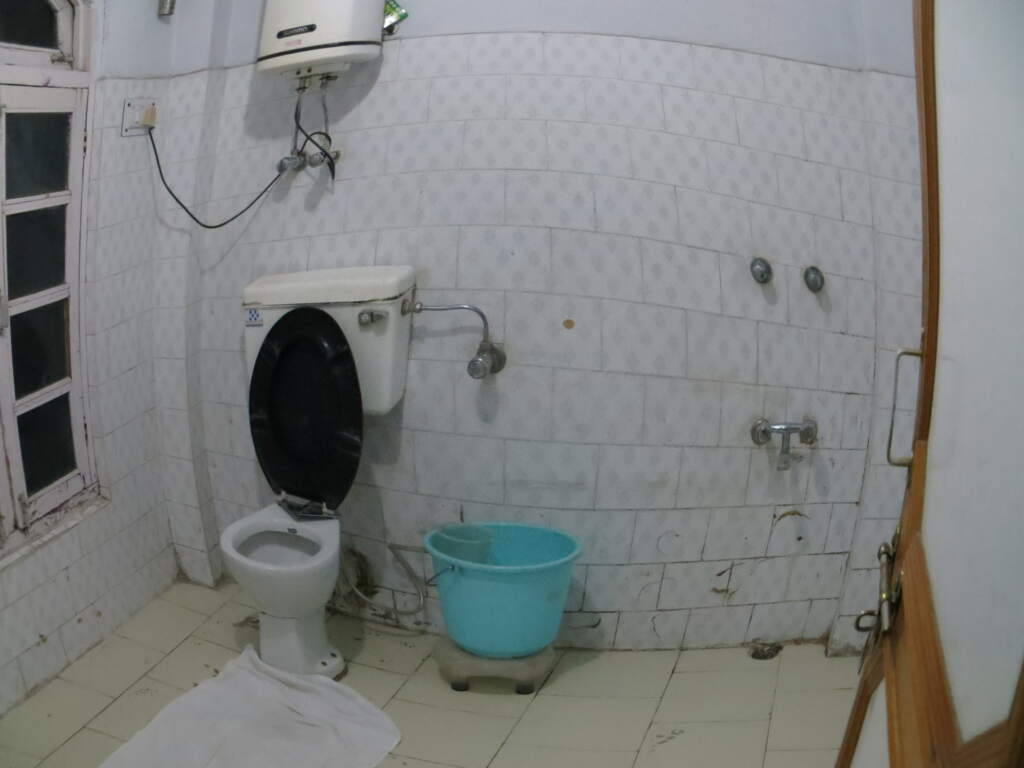
The journey was a succession of experiences I was completely unprepared for — things I couldn’t even have imagined. From sleeping in some pretty rough places (though it was what it was) to altitude sickness, which thankfully didn’t affect JA or me. Two of the Australians, however — the most experienced riders in the group — spent two days in the support truck on oxygen because they simply couldn’t breathe. Our nightly beer regime seemed to do the trick. Nobody really knows why altitude sickness hits some people and not others. We took the tablets they gave us and carried on.
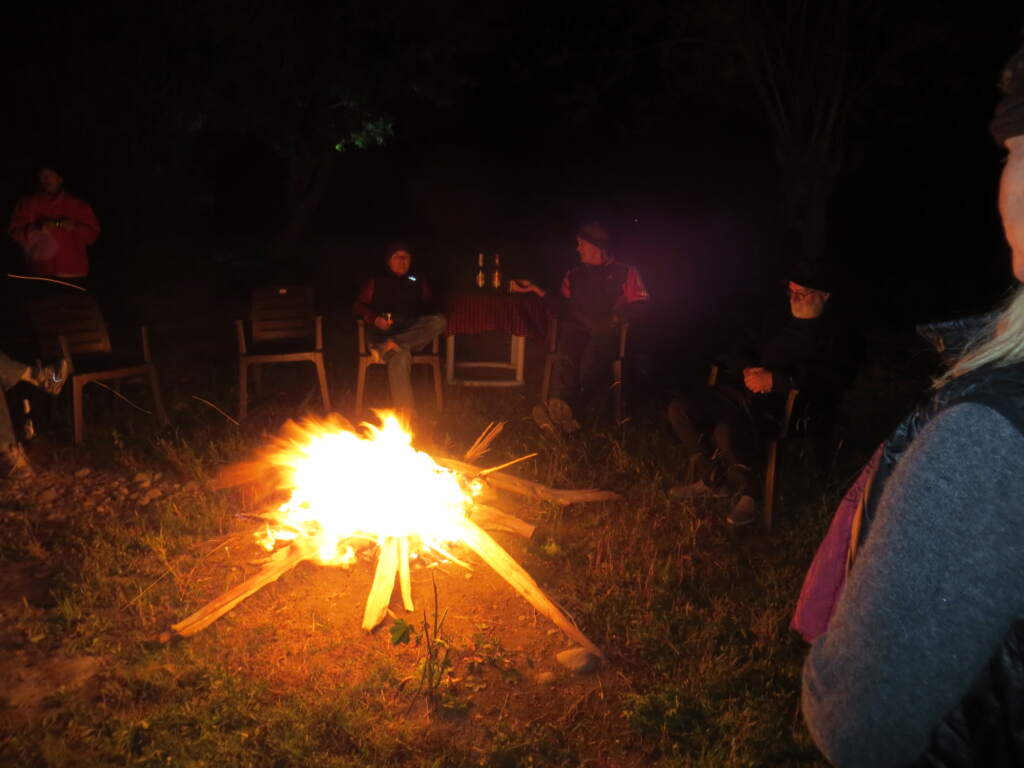
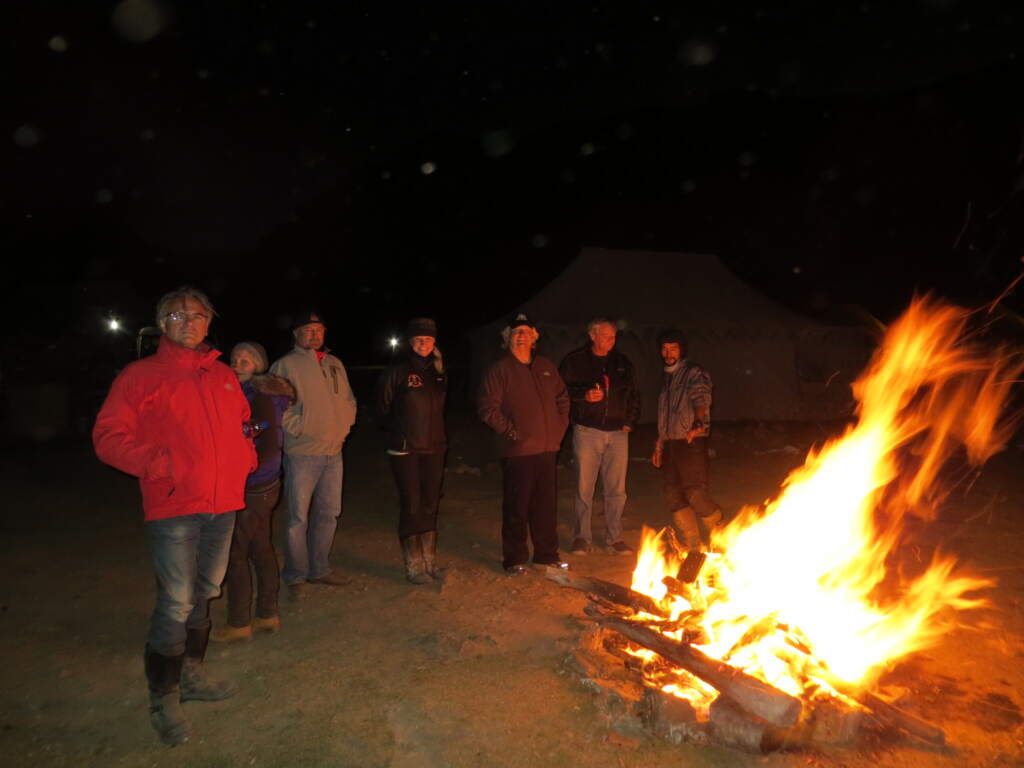
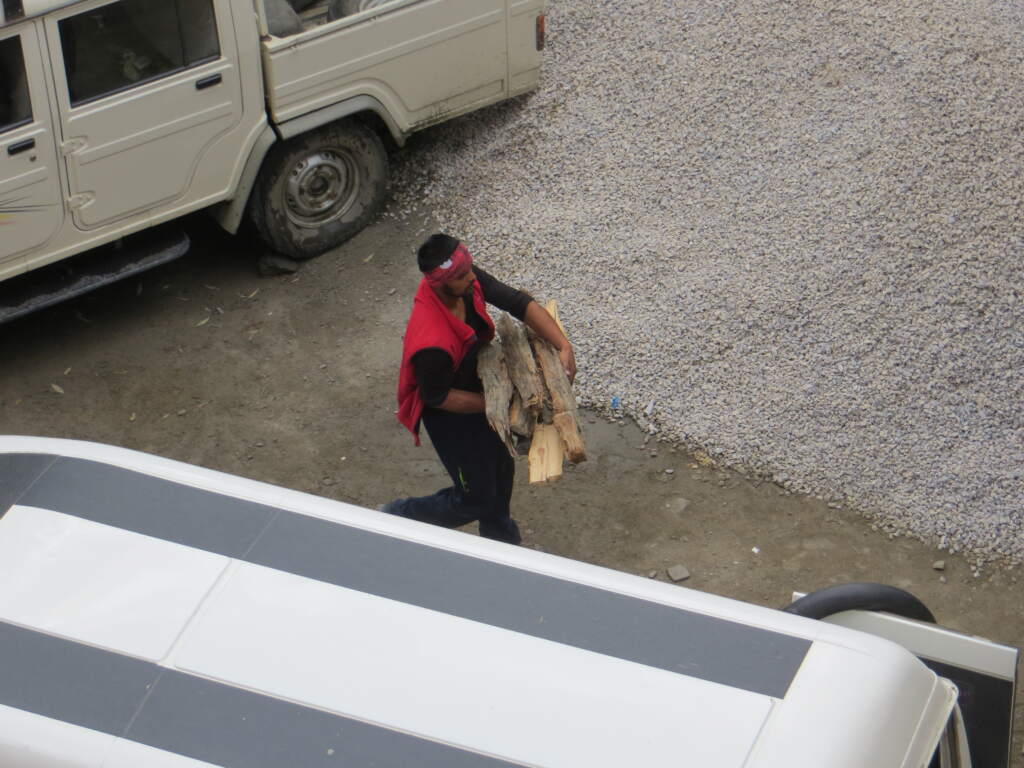
Of course, every day someone had to collect firewood and logs — for the evening fires and for cooking dinner, our well-earned rest at the end of each day.
Among the riders, Tim stood out — perhaps one of the least experienced when it came to this kind of adventure. As the sonar operator on a submarine, he worked six months a year and spent the other six on holiday. Tim was a solitary soul, and his best friends were the headphones he never took off. He was hard to talk to, and he liked to ride at the back of the group, always a little slower than everyone else, at his own pace.
One evening, the plan was to camp at Sarchu — tents pitched at 4,000 metres in a canyon between snowy mountains, a cluster of white canvas shapes in the distance. As each rider arrived, Bhikam directed them down the 100-metre track leading to the camp.
The area was heavily militarised — we were just a few kilometres from the Chinese border — and military vehicles regularly patrolled the zone. That’s exactly what happened as Tim was approaching the camp.
Back at camp, the group had lit the evening fire. While the cook prepared dinner — bread, lentils with potatoes and vegetables — the mechanic was going through the bikes one by one, getting them ready for the next day.
— Bhikam — said the mechanic — one bike is missing.
Bhikam counted again, and his face went pale. It was true — one bike was missing. Which meant one rider was missing. The fear and anguish on his face said everything.
He went straight to the fire where the group was gathered. Tim wasn’t there.
Bhikam and the mechanic grabbed their bikes, filled up with fuel, and rode out at full speed to find him. Tim must not have seen the group turning off towards the camp — a military convoy had been passing at that moment. He’d almost certainly kept going straight, since the whole group had been together at the last checkpoint.
It was already 6 pm. The light was fading and the temperature was dropping fast towards zero. Bhikam knew all too well how dangerous it was to ride at night. The Royal Enfields had weak headlights — but they had to find Tim, and quickly.
They rode 10 km, passing through another checkpoint where they asked if a lone motorcyclist had come through recently. The soldier confirmed Bhikam’s suspicion — Tim had passed, shown his passport, and kept going. He was somewhere up ahead.
A few kilometres further on, caught in the beam of his headlight, Bhikam spotted a bike lying in the middle of the road. Tim couldn’t be far. They called out his name — and he answered. He was a few metres off the road to the left, in his black riding suit, shivering with cold. He’d run out of fuel almost an hour earlier.
They fuelled up his bike, got it started, and rode back to camp.
The group buzzed with excitement retelling Tim’s adventure and the rescue. You could see the relief on Bhikam’s face — laughing as he recounted every detail of what had happened and how they’d found him, hugging everyone in sight.
Tim, for his part, put his headphones back on, wrapped himself in a blanket, and started eating.
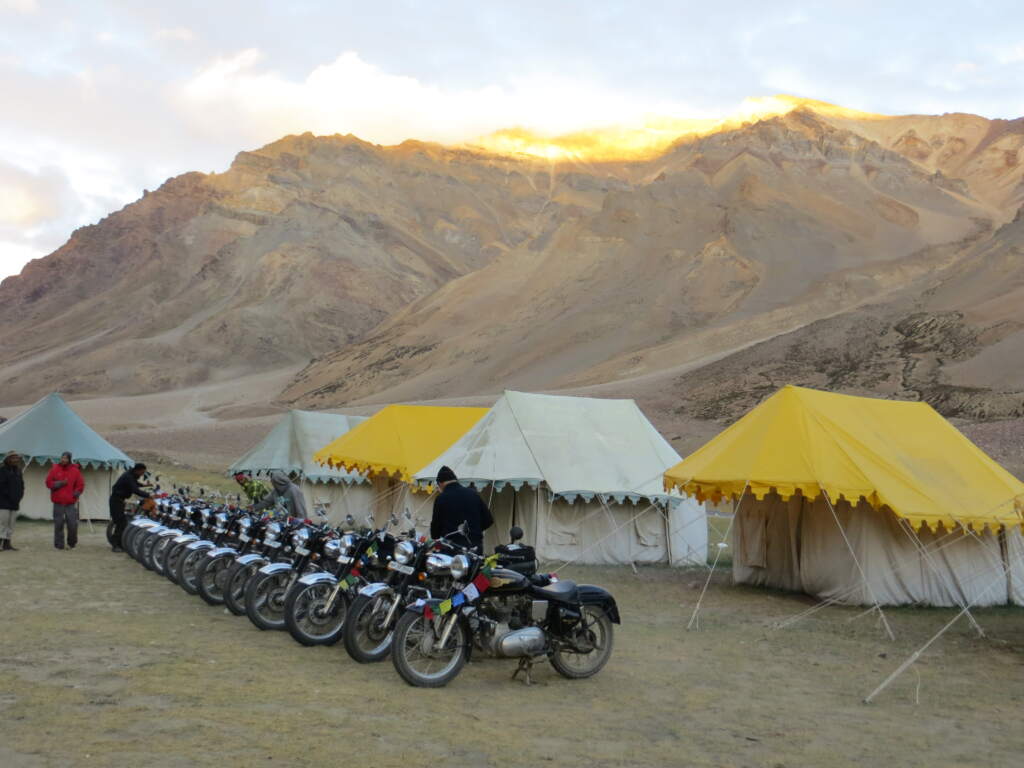
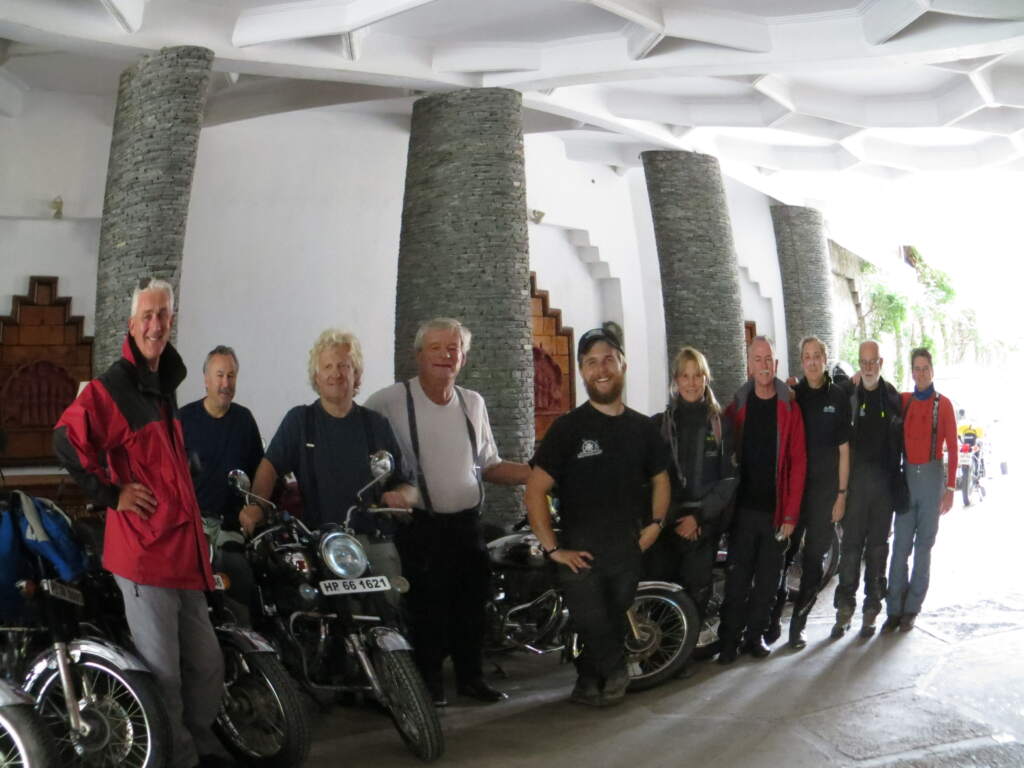
As you’d expect on a tough trip like this, there were also plenty of great moments and real group spirit.
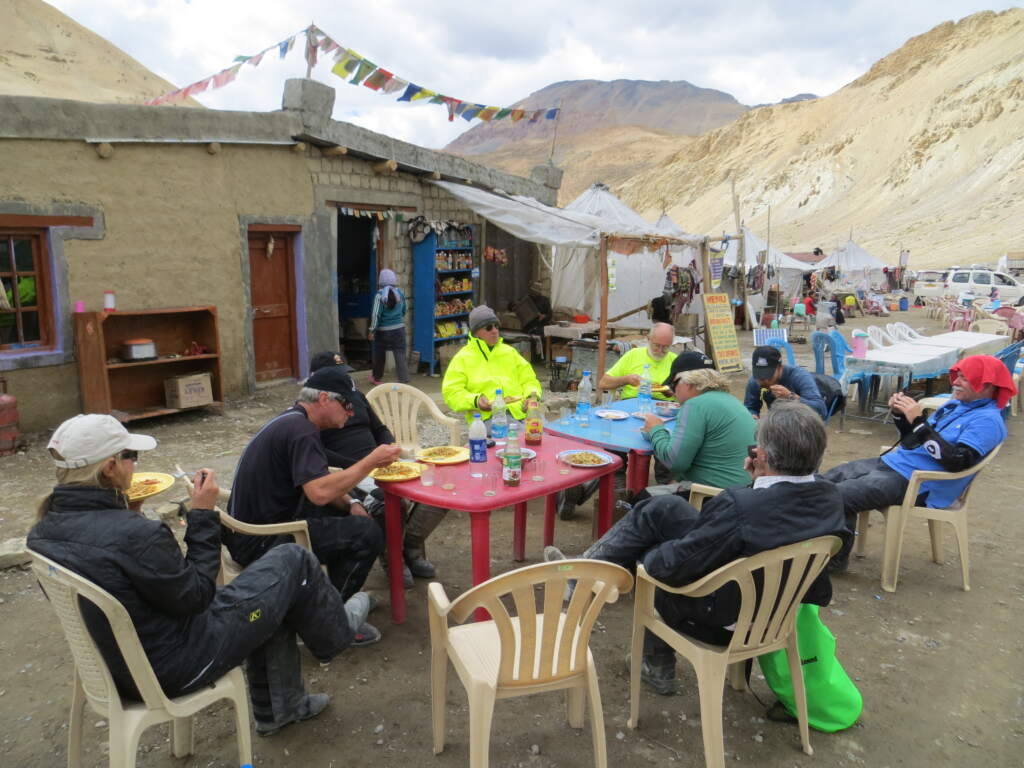
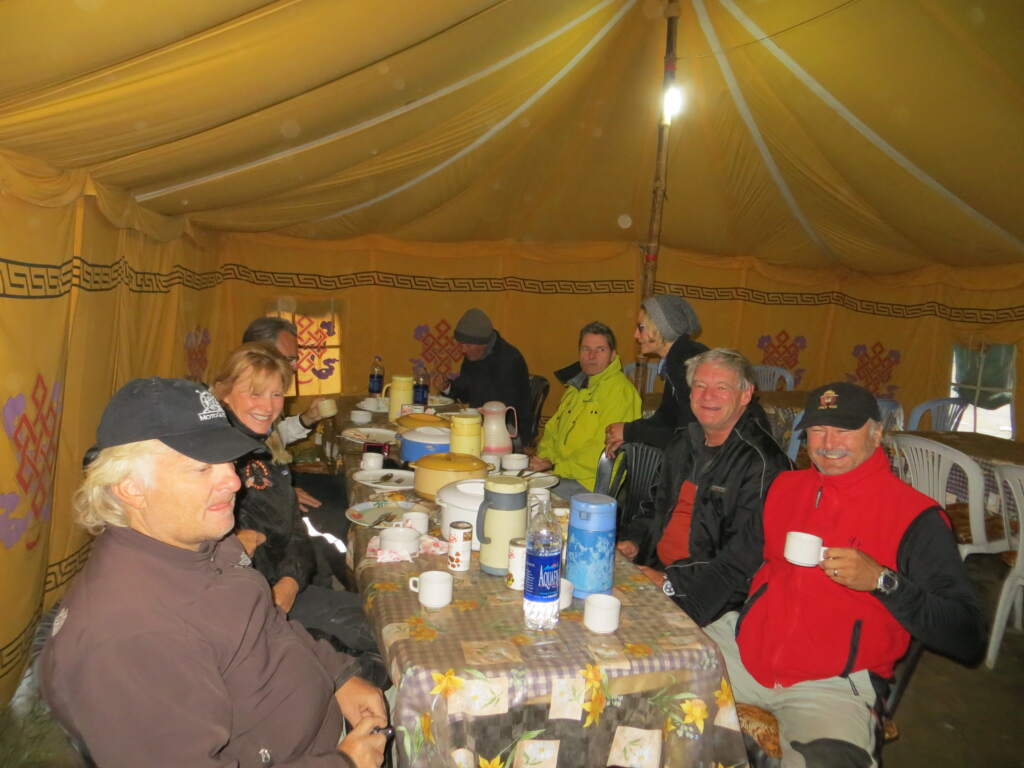
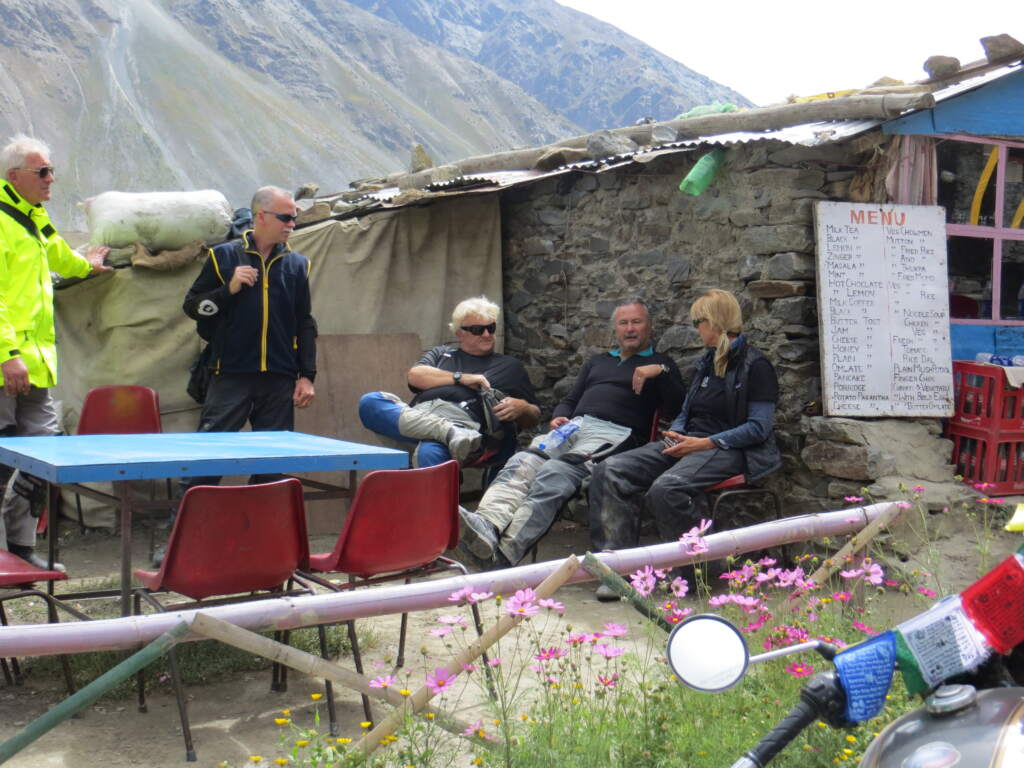
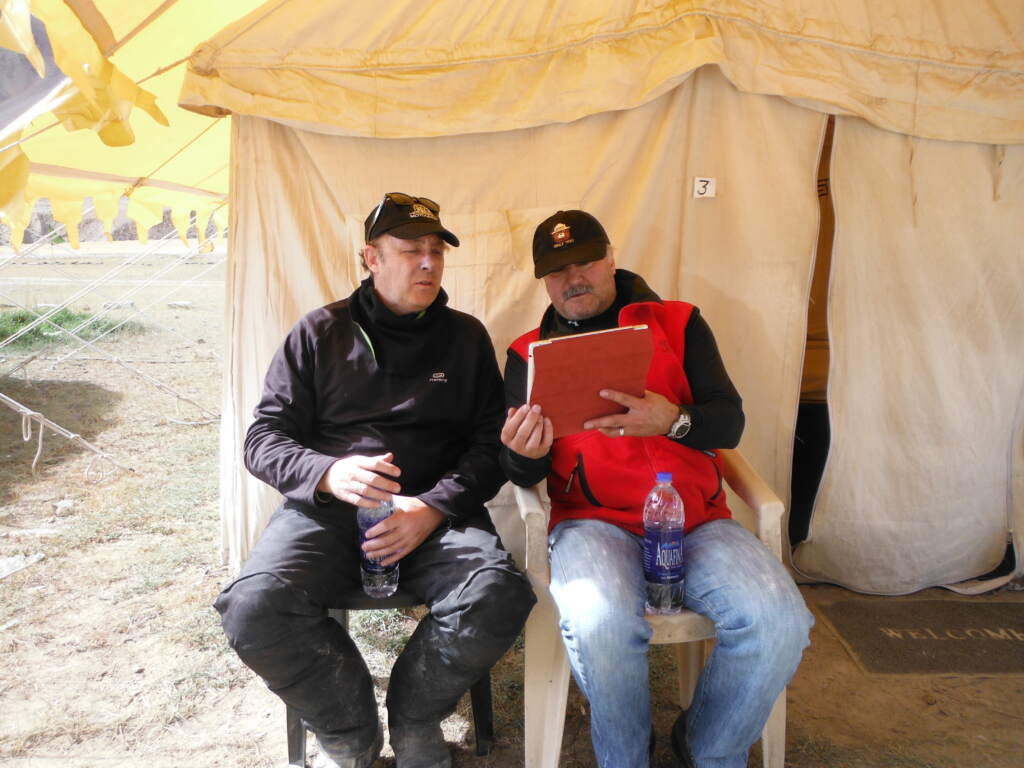
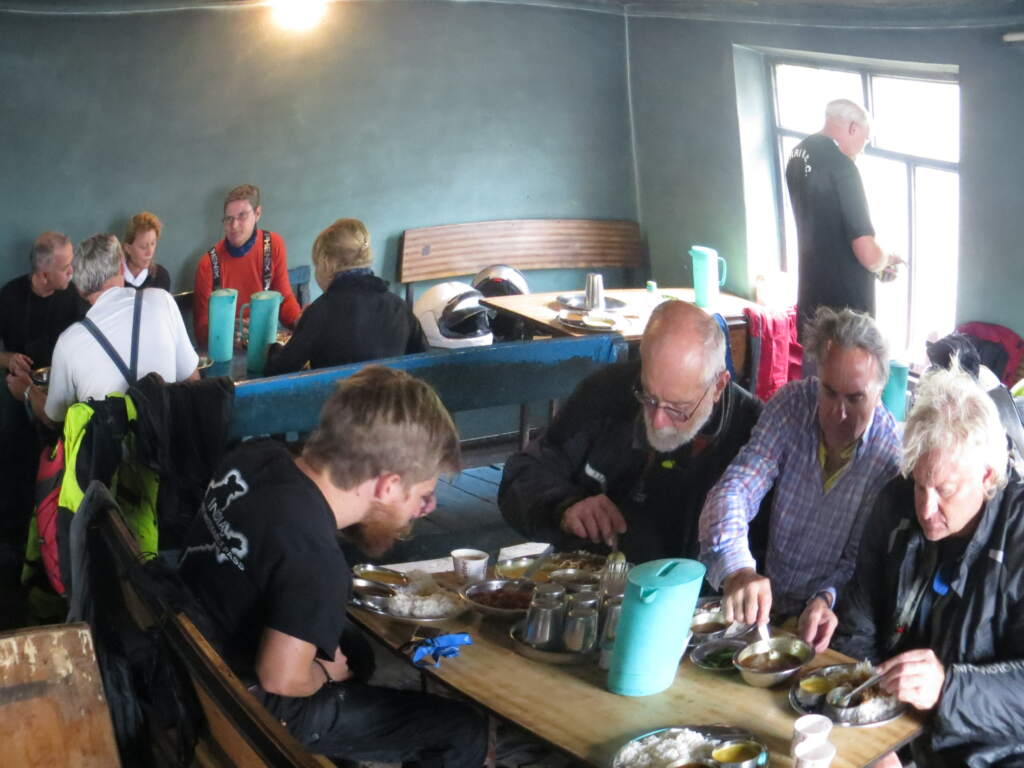
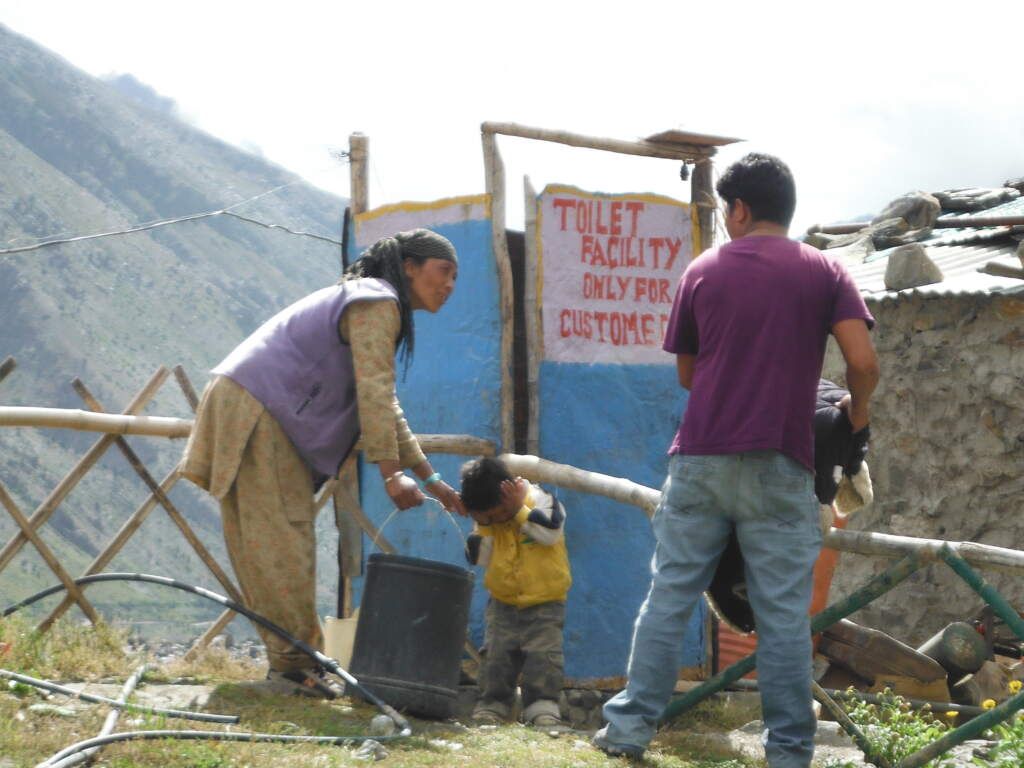
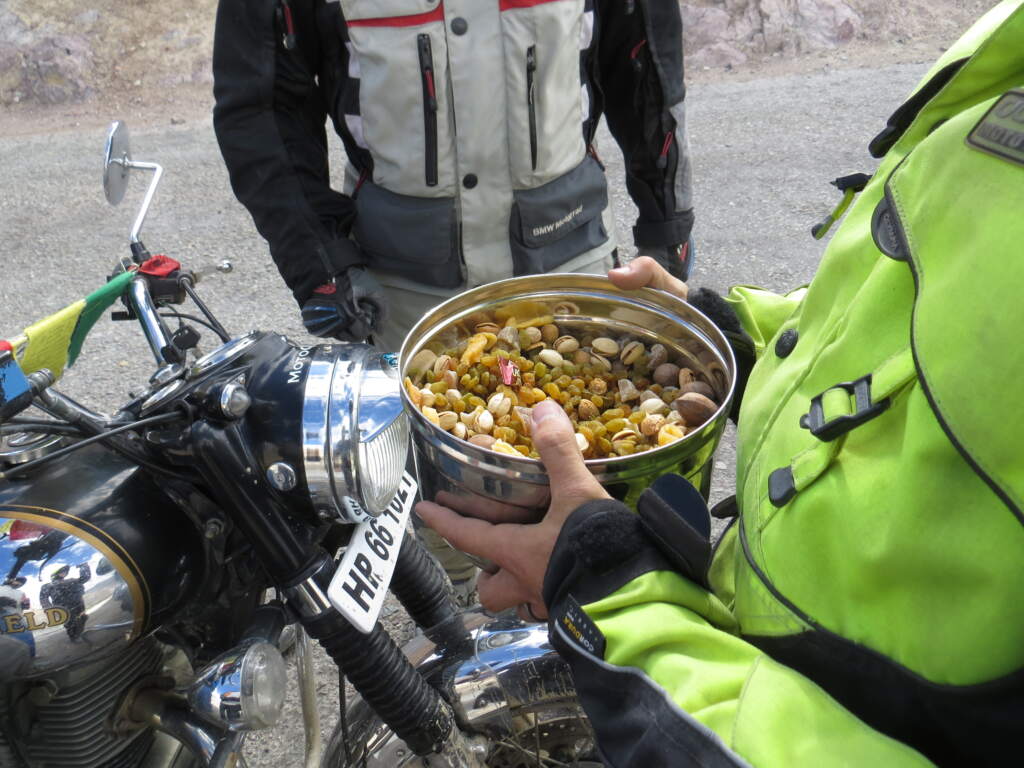

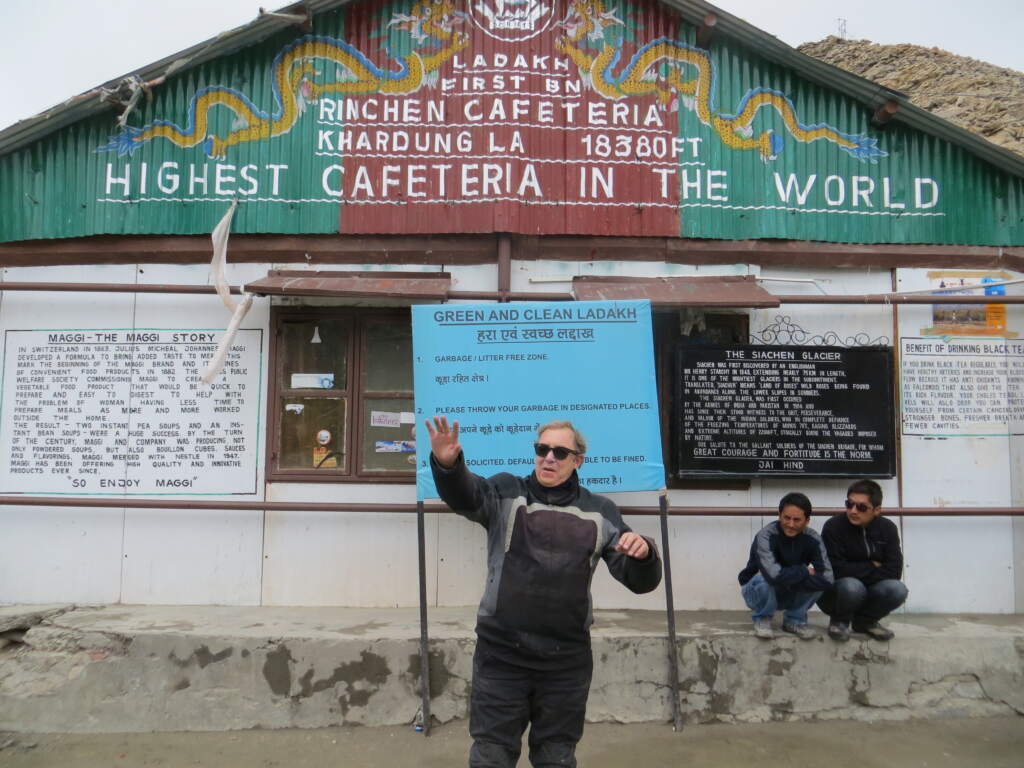
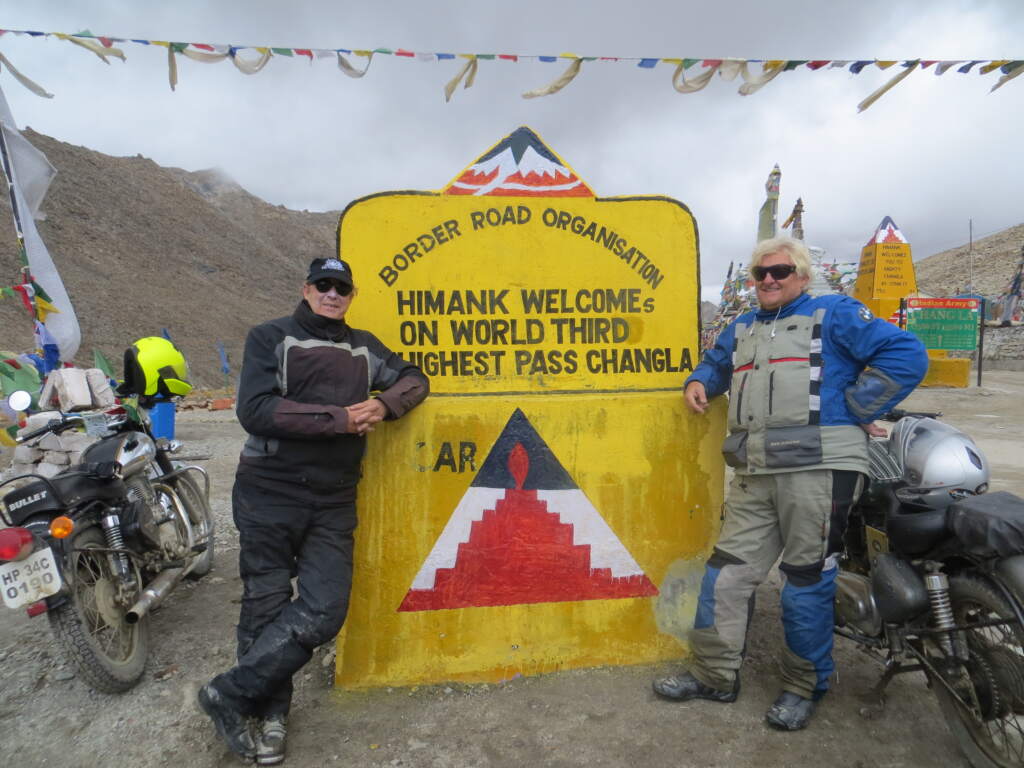
Then there were the pure riding highlights — like crossing Khardung La, the second highest motorable pass in the world. We could only stay at 5,602 m for about 15 minutes before heading back down at speed to around 4,000 m, where we spent most of the trip. We also crossed the third highest. Bhikam told us the highest motorable pass in the entire Himalayas used to be accessible, but an avalanche had taken out the road — so we didn’t even attempt it.
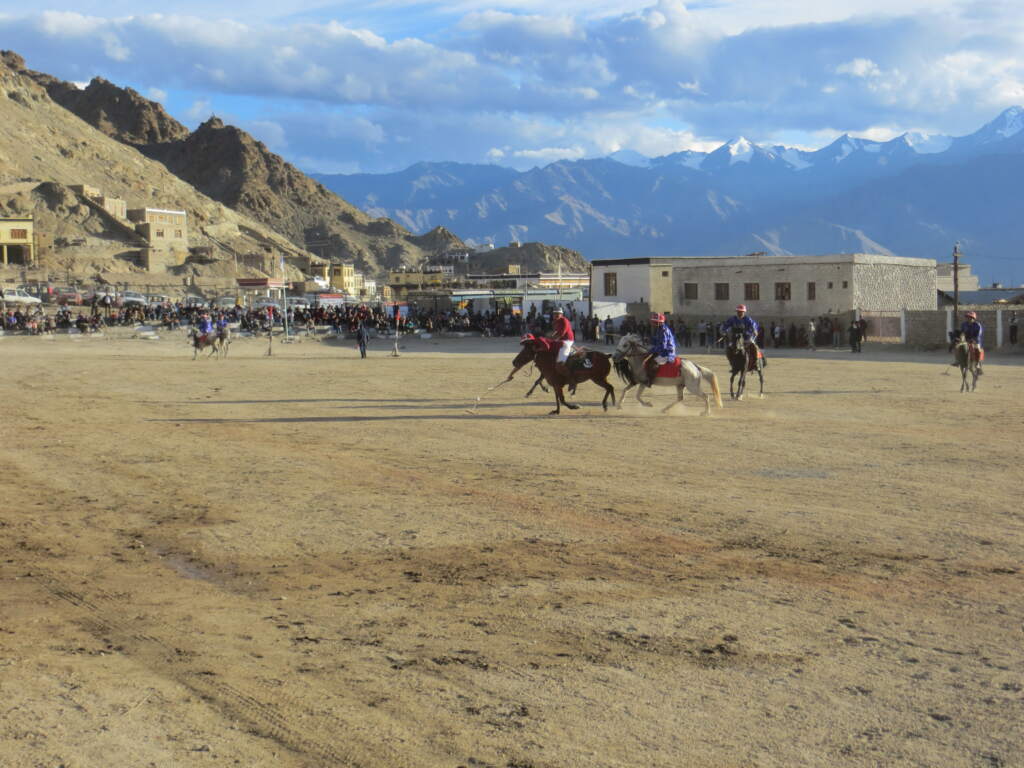
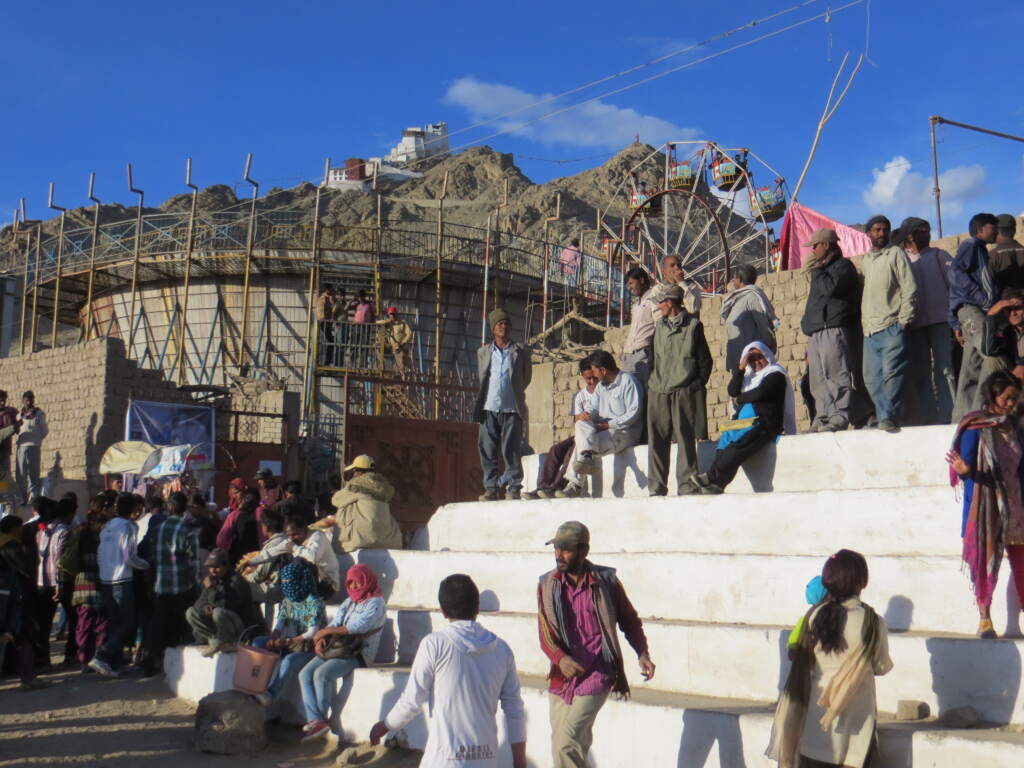
We spent time in the city of Leh — a place that truly impressed me. It sits in the middle of nowhere, close to Tibet and Pakistan, at 3,500 m with around 25,000 inhabitants. We arrived right in the middle of their local festival. We watched polo matches, and most memorably, saw a bamboo cylinder structure — a kind of wall of death — where a car drove at speed up the inside of the bamboo walls using centrifugal force, climbing right to the top where we were all standing watching. Looking back, it was absolutely insane. There were two people in the car: one driving, and one sitting out of the window collecting banknotes from the crowd at full speed. Something I’ve never seen anywhere since.
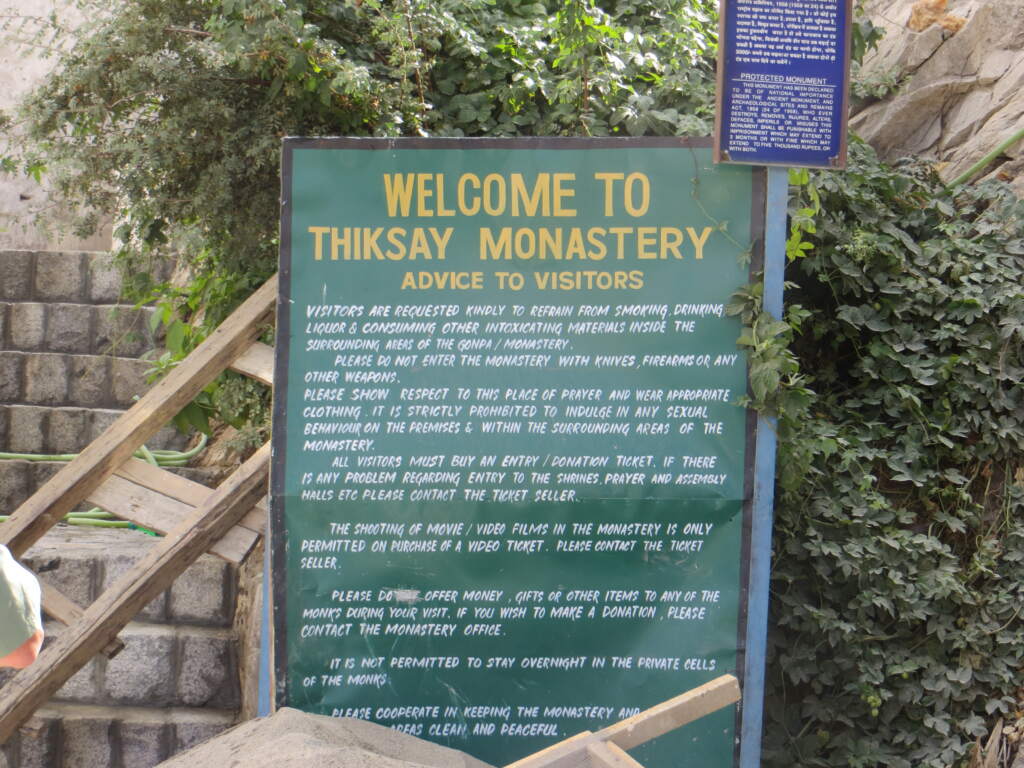
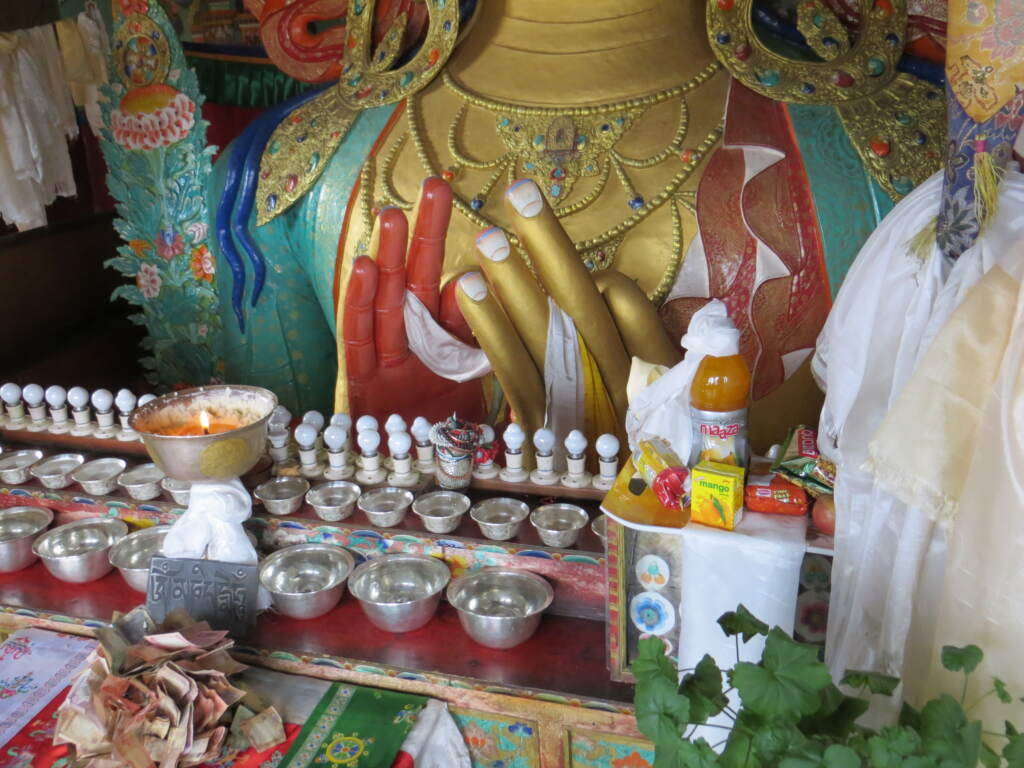
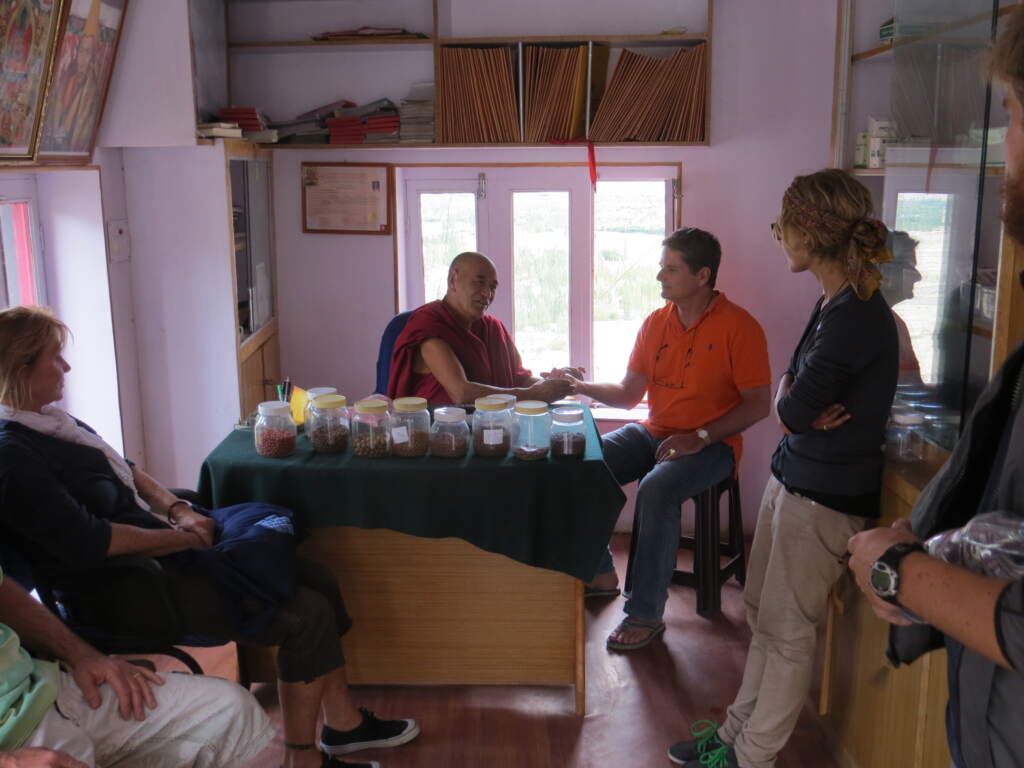
We visited Thiksey Monastery, where we spent a good while exploring the prayer halls and shrines. We also met the monastery’s physician, who — for those who were interested — would tell you if you had any illness and prescribe a treatment. Bhikam translated throughout, and honestly, he got every single one right. A true master.
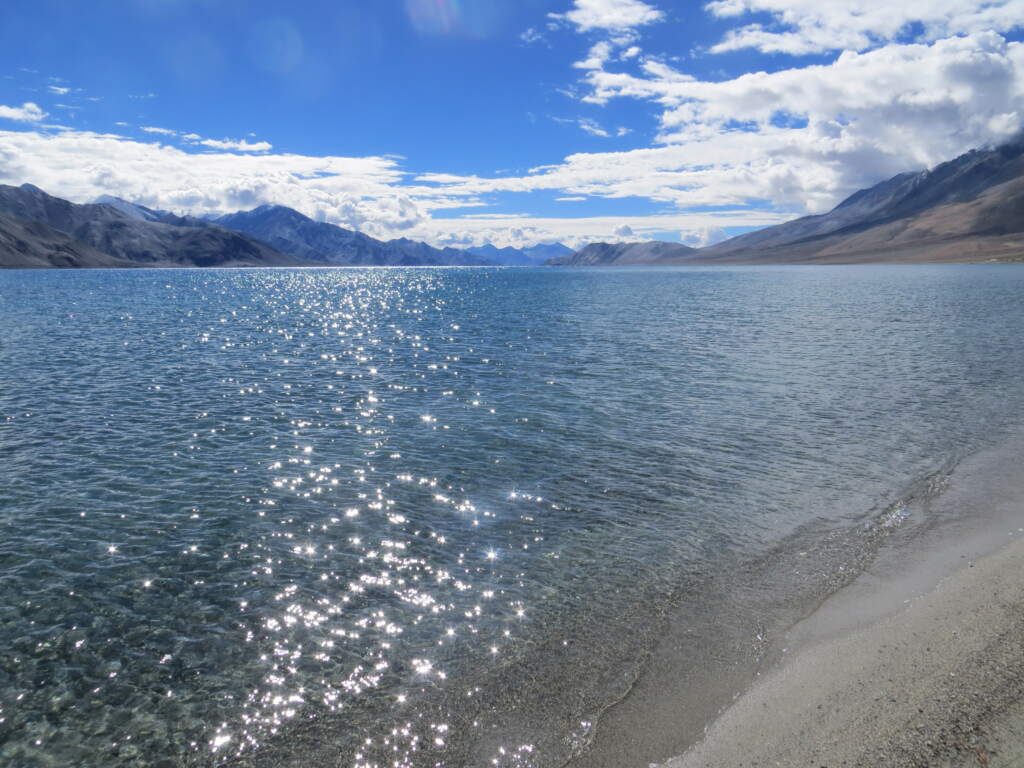
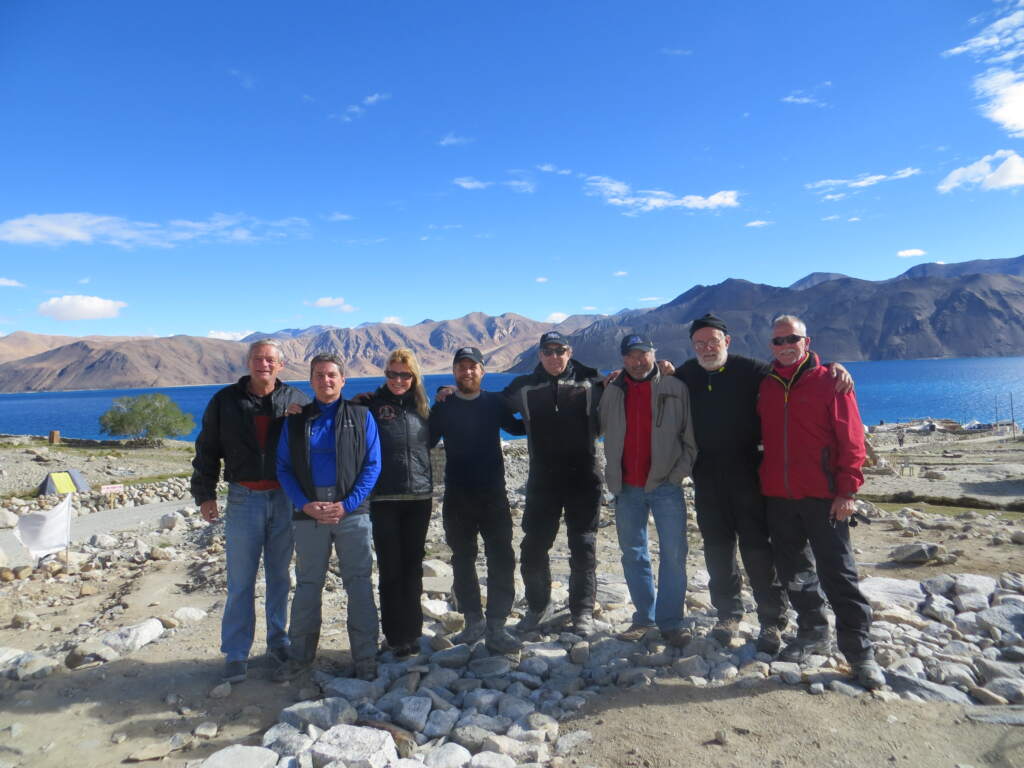
There’s plenty more to tell, but the post is already getting long — so I’ll focus on our northernmost point: the lake at the far end of the Nubra Valley. It sits about 50 km from the Tibetan and Pakistani borders, in a heavily militarised zone where it wasn’t safe to go any further. That’s where JA took our group photo — a memento of the whole journey. From there, we rode back to Leh, flew to New Delhi, and then home to Spain.
Finally, we drew a few conclusions from the trip — I’ll let you read them for yourselves.